Home / Services / Sustainable Event Management
Sustainable event management, from brief to footprint report.
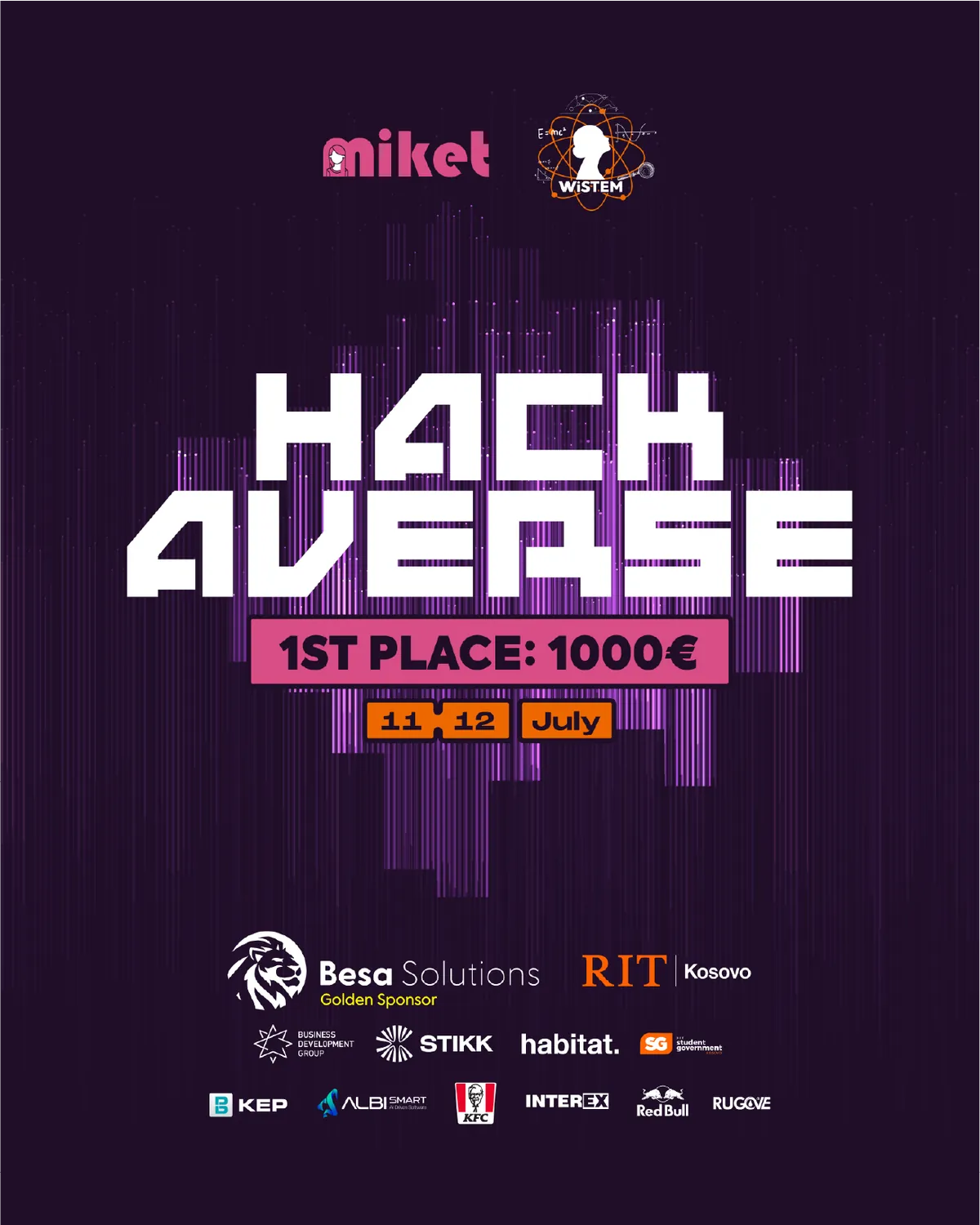
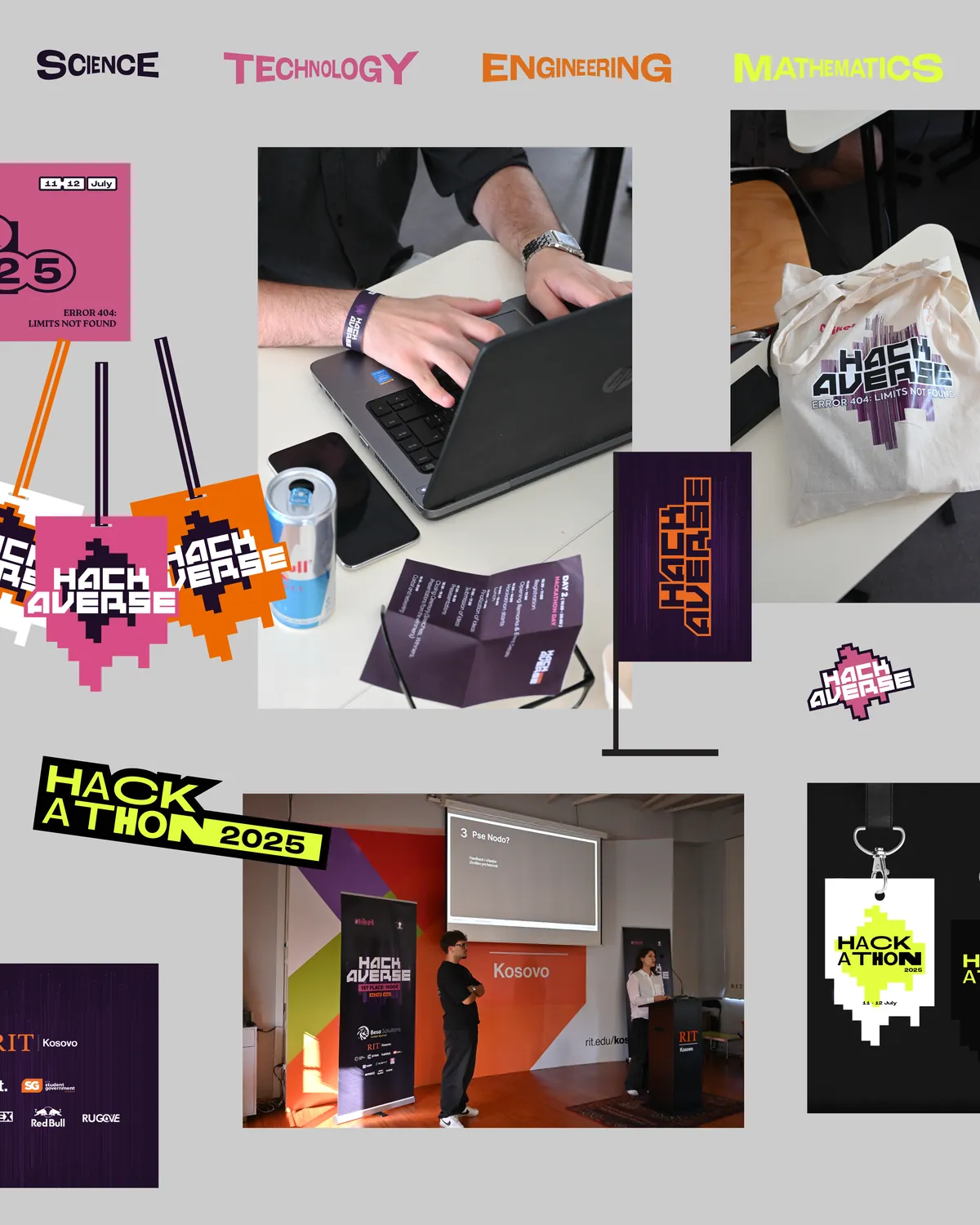
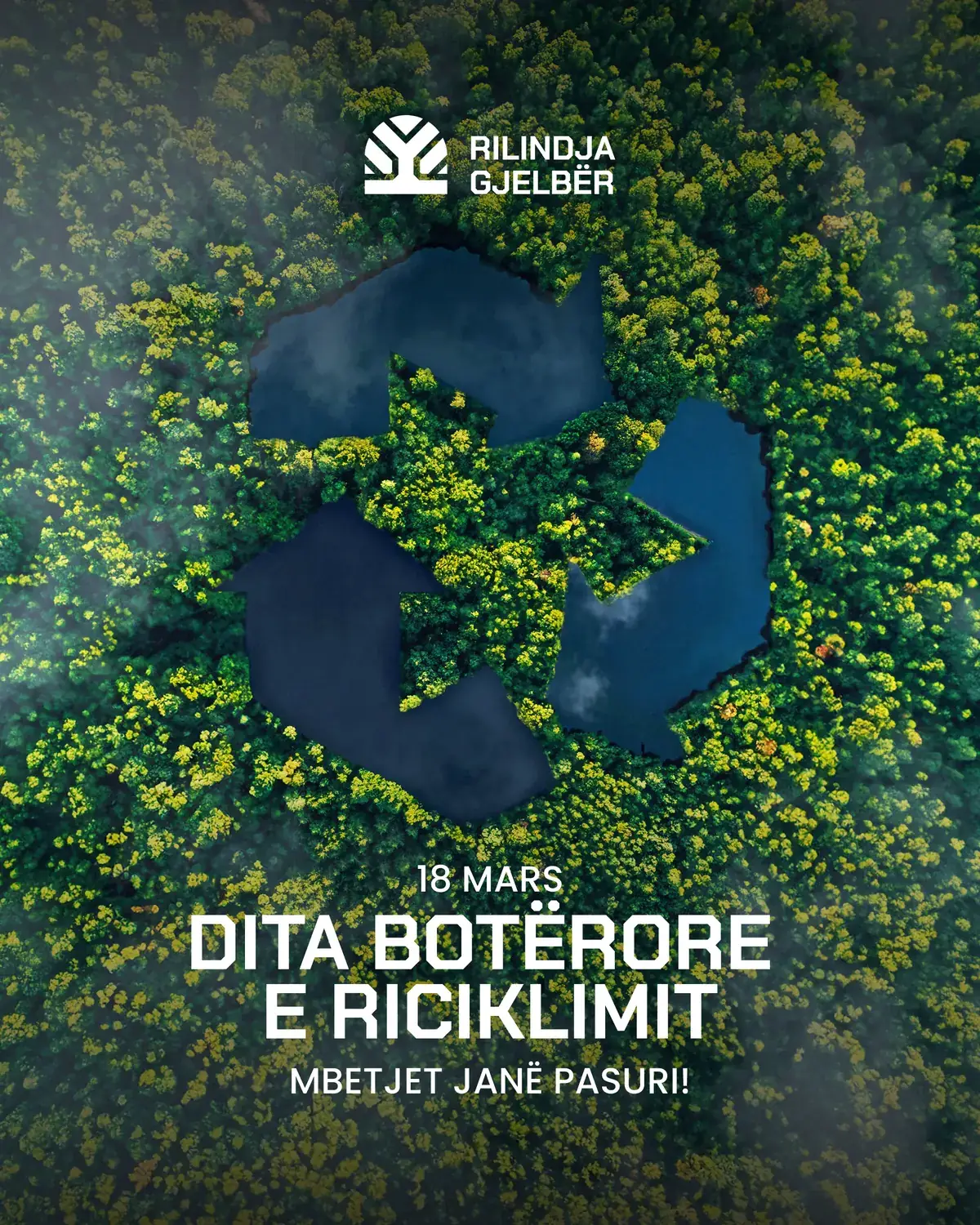
Habitat plans and brands events that leave less behind: conferences, fairs, hackathons and launches with a waste plan, local sourcing, reusable materials and a carbon footprint you can publish afterwards. We have designed the identity for Hackaverse, the Circular Economy Expo and REKO fair, and run eco-events under our own name.
What changes
The greenest event is the one that's planned.
Fewer single-use items
Badges, banners and merch designed to be reused or kept — not printed for one day and binned.
Travel and venue first
For most events, how people get there and the venue's energy are the biggest share of the footprint. We plan around that.
A footprint you can publish
An event carbon footprint calculated to the GHG Protocol, ready for the sponsor report.
What we do
Planning, branding and measurement.
01 / Sustainable event planningVenue, travel, catering and materials02 / Waste reduction strategyReusable kit, sorting, donation of leftovers03 / Event identity and printDesigned to be reused04 / Eco-friendly promotionDigital-first campaigns and registration05 / Event carbon footprintCalculated to the GHG Protocol
Proof
Events we have branded.
How it works
Four steps, no surprises.
STEP 01BriefAudience, size, venue options and what success looks like — including the sustainability goal.
STEP 02PlanSourcing, materials, travel guidance and a waste plan agreed with the venue and suppliers.
STEP 03RunOn-site art direction and a sorting and collection set-up that actually gets used.
STEP 04ReportAttendance, waste and the event footprint in one page your sponsors can read.
FAQ
Frequently asked.
What is sustainable event management?
Planning and running an event so it uses fewer resources and produces less waste and fewer emissions — through venue and travel choices, local catering, reusable materials and a measured footprint — without making it less memorable.
Do you only brand events, or also organise them?
Both. We can own the identity and creative while your logistics partner runs operations, or we can plan the sustainable side end to end.
How is an event's carbon footprint calculated?
We collect venue energy, attendee travel, catering, materials and waste data and calculate emissions to the GHG Protocol with country-specific factors. Attendee travel is usually the largest item.
How early should we start?
Two to three months before the event leaves time for identity, sourcing and print without rush orders — which is also when most waste is avoided.
Talk to Habitat
Plan an event people remember for the right reasons.
Send us the date, the venue and the audience. We will come back with a plan.